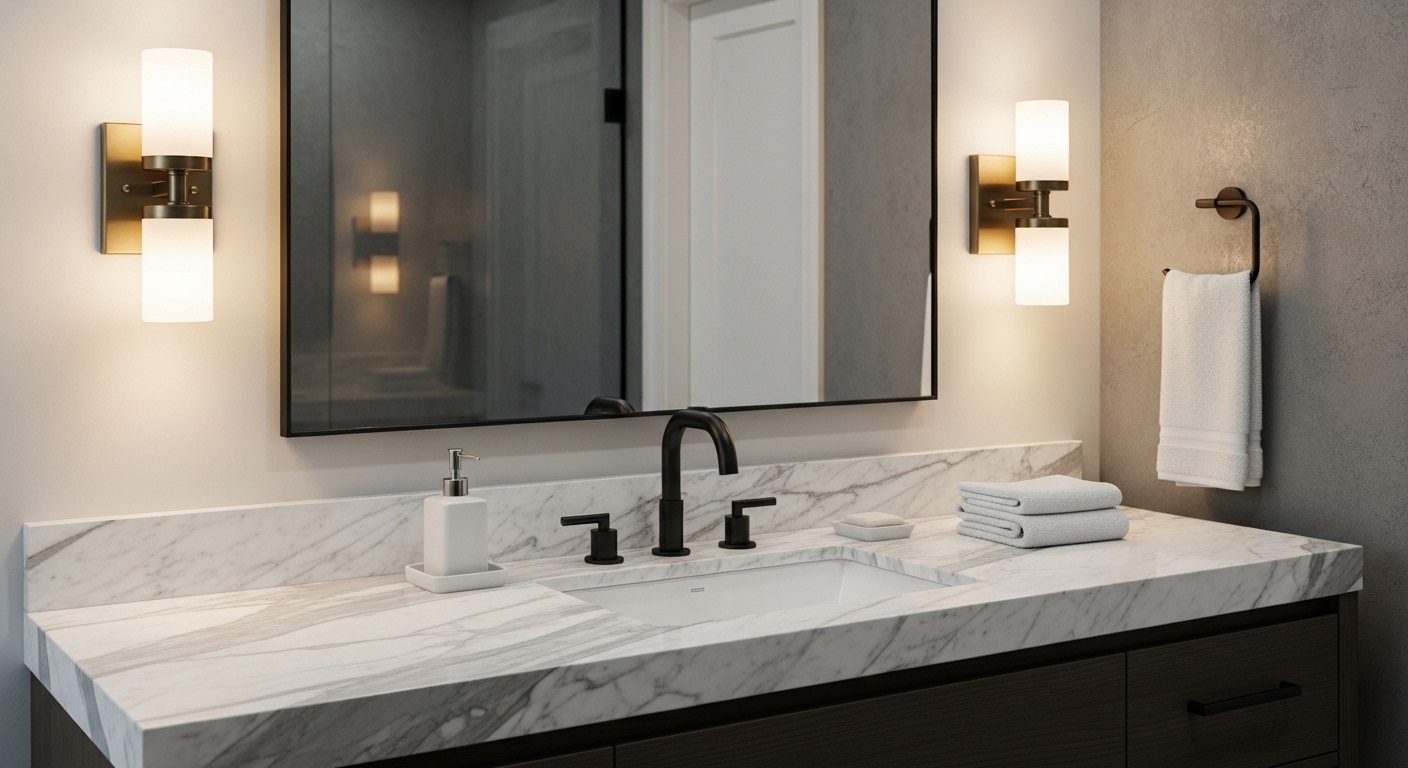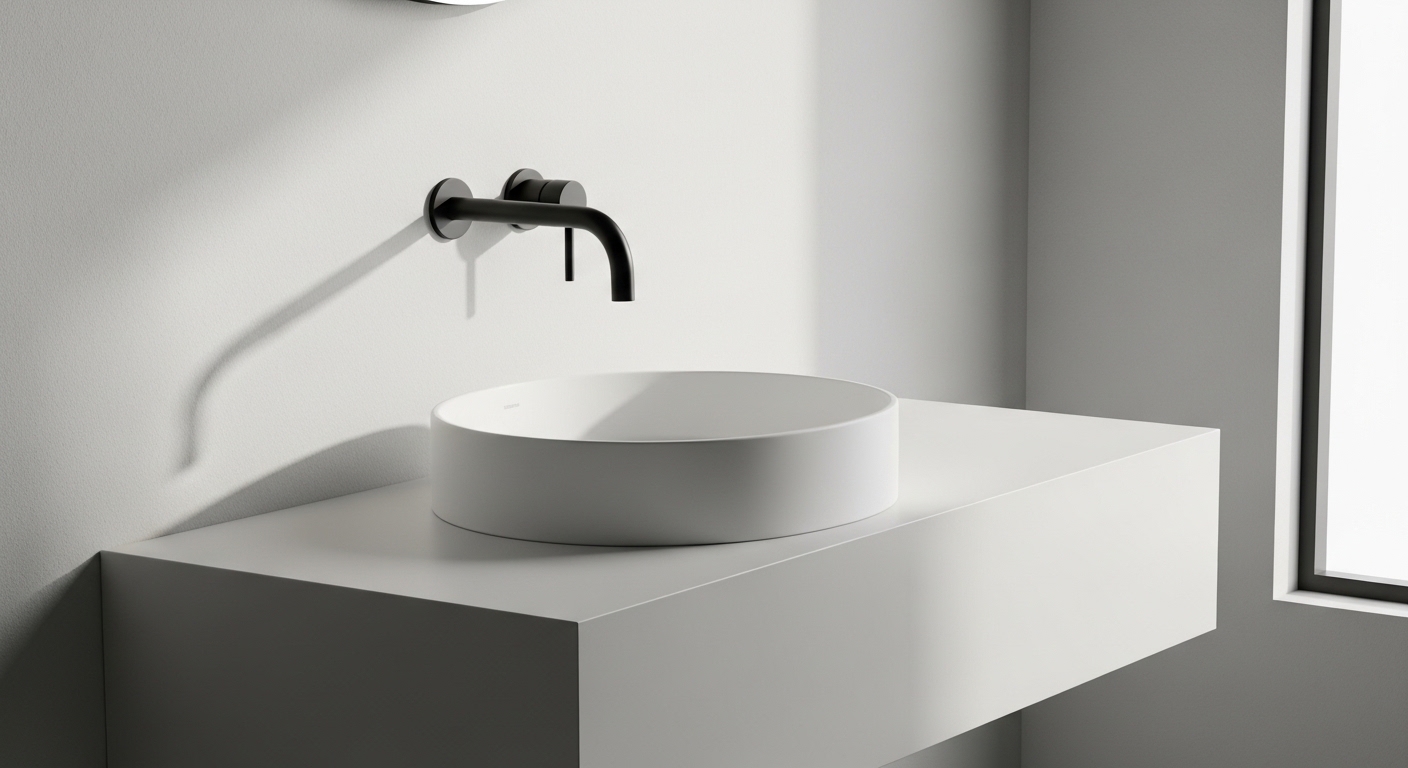
Mistake 1: Buying the vanity before measuring the plumbing rough-in. The drain position is fixed. The bathroom cabinet has to fit it. Measure the rough-in first, find the vanity second.
Mistake 2: Underestimating the depth. Standard vanity depth is 21-22 inches. If your bathroom is small, shallow-depth vanities (16-18 inches) exist specifically for this. I didn't know this when I bought a standard-depth vanity for a 5-foot-wide bathroom.
Mistake 3: Choosing finish before plumbing fixtures. I picked the cabinet first, then bought fixtures, and the cold brass looked wrong against the warm wood. Select fixtures alongside cabinetry.
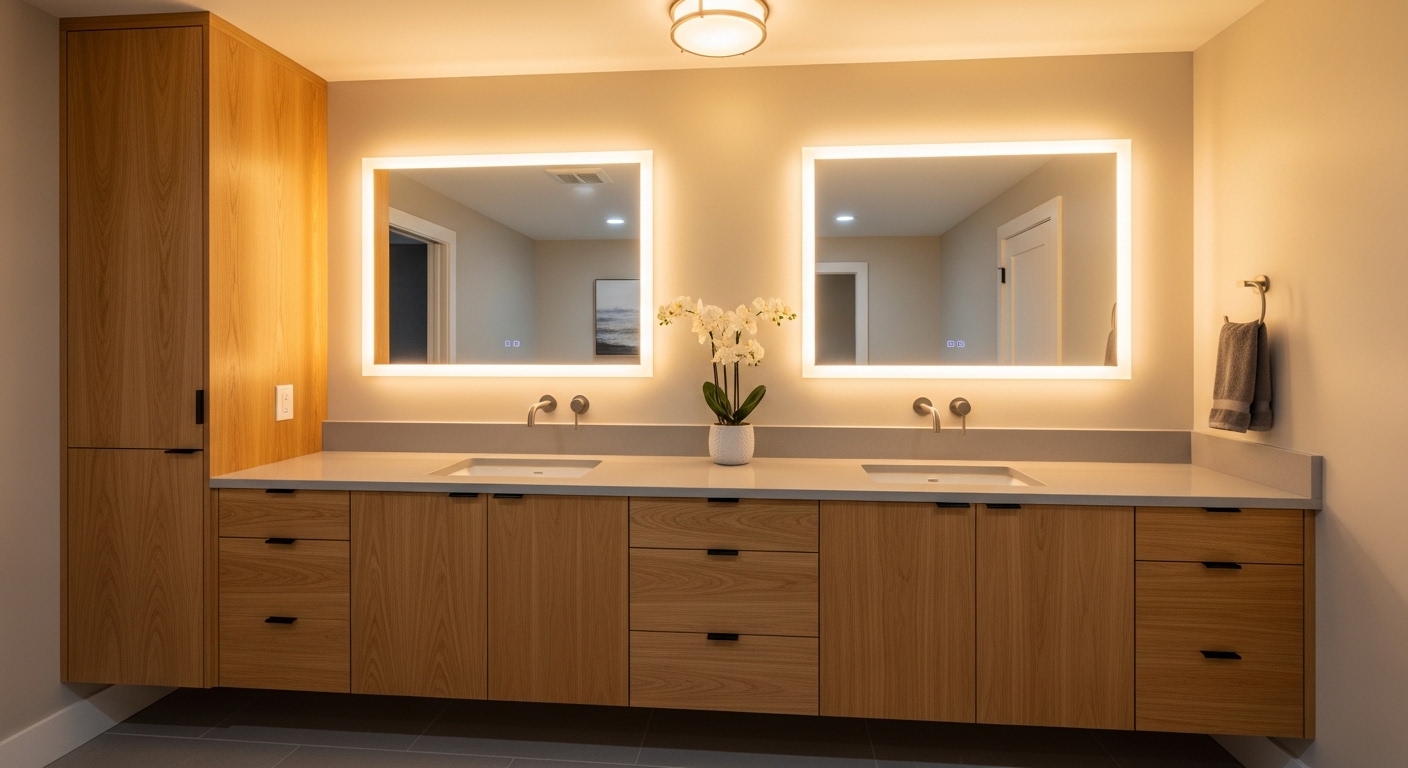
Mistake 4: Not accounting for door swing clearance. I installed a linen tower that, when fully opened, blocked the bathroom door. Measure door swings before finalizing any placement.
Mistake 5: Prioritizing price over interior organization. A cheap vanity with a plain interior costs more in drawer organizers and frustration than the mid-range option with better interior design.
Shop This Post
Michelle at The Wharton House walked through her vanity lighting and mirror upgrade on a tight budget, useful for thinking through the lighting side of a vanity update.
Frequently Asked Questions
What size vanity cabinet do I need?
Leave at least 21 inches in front for comfortable use, 15 inches from toilet centerline to any cabinet edge. Most vanities range from 24 to 72 inches wide.
Should bathroom vanity go to the ceiling?
Floating vanities create a more open look and make floors easier to clean. Floor-to-ceiling maximizes storage but can feel heavy in small bathrooms.
How do I choose bathroom cabinet finishes?
Match to your plumbing fixtures. White cabinets are high-maintenance near water. Wood-tone hides spots better. Dark cabinetry can make small bathrooms feel smaller.