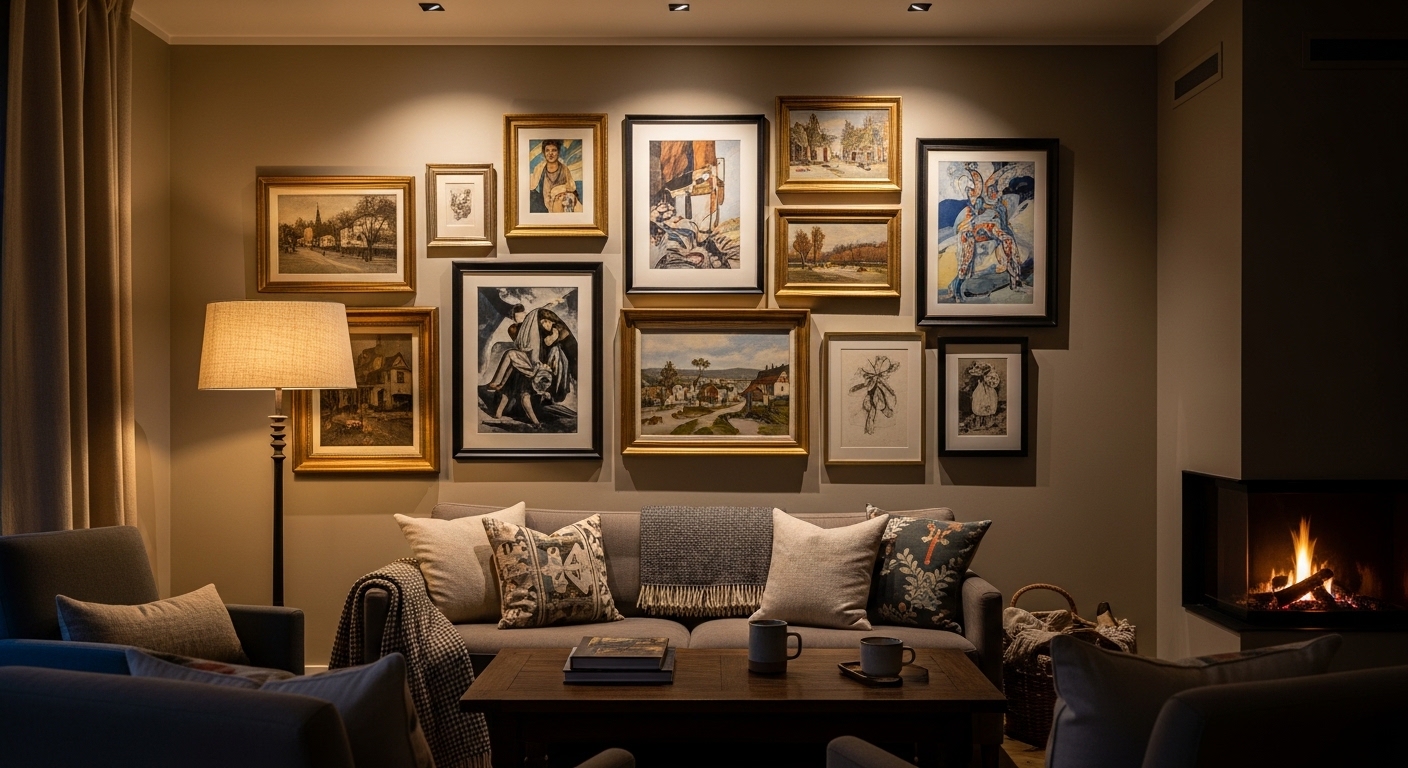
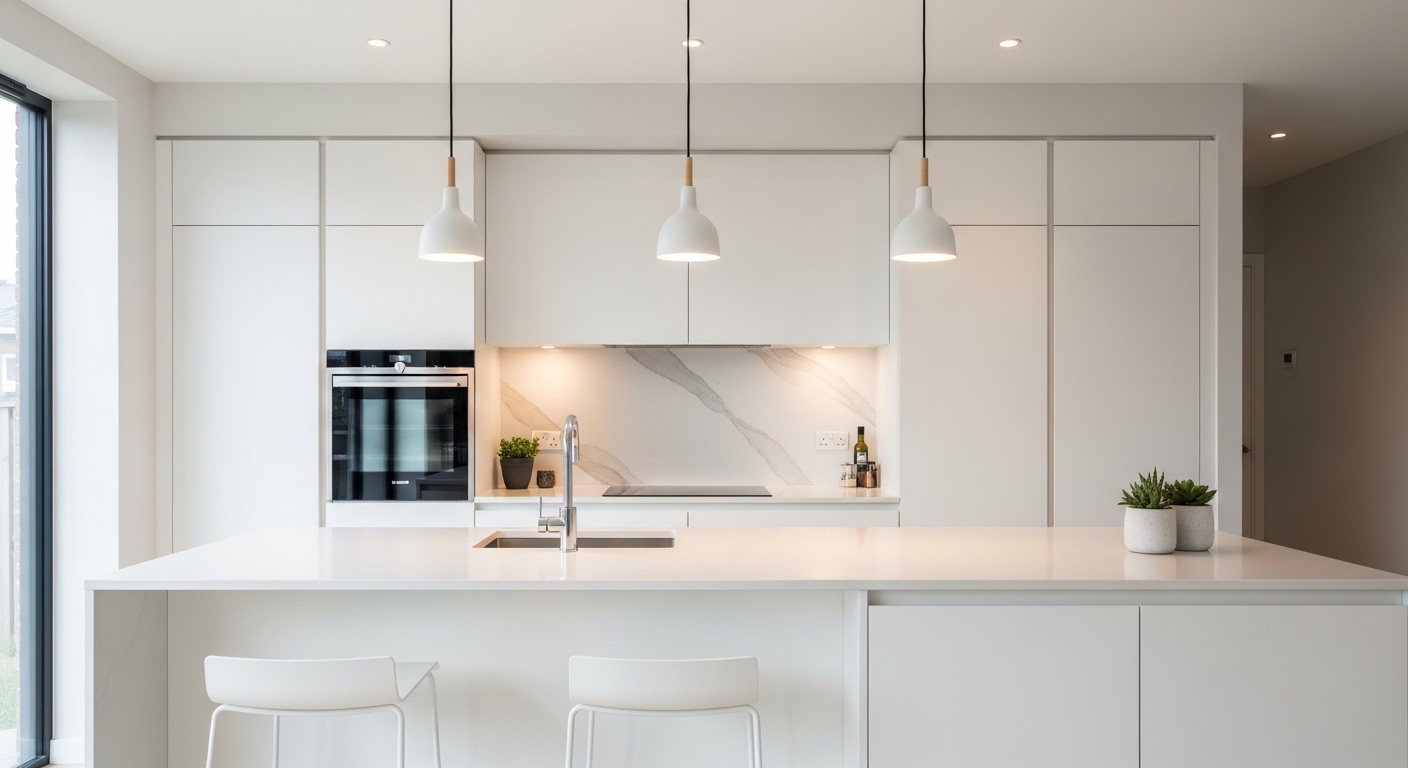
My living room cost $847 in total. The coffee table was $65. The floor lamp was $28. The large ceramic pot on the side table, which I get asked about more than anything else in the house, was $18 at a Goodwill in Decatur. The framed vintage print above the sofa — a French botanical — was $20 at the same location three weeks later.
None of this happened in a single lucky afternoon. It happened over eight weeks of shopping three times a week. That's the system. And that's what most thrift store home decor advice leaves out.
What the System Actually Is
I go to three Goodwill locations near me on a rotating schedule — twice a week minimum. I spend 20 to 30 minutes per visit, which is enough time to walk every aisle of the home goods section without getting overwhelmed. I don't go in with a specific list. I go in looking for anything with good shape and good proportion. Color is not the filter. I can spray-paint almost anything.
This approach works because thrift store inventory is unpredictable and time-sensitive. A great find on Tuesday morning is gone by Wednesday afternoon. If you only go once a month looking for a specific lamp, you'll almost never find what you need. If you go regularly just looking for quality pieces at any price, you build a room over time.
The Rule About Shape
Buy for shape and proportion, not for color. The best single decision I made in this whole process was to ignore color completely in stores and evaluate only silhouette, scale, and material quality. A vase with a beautiful form in the wrong shade? I buy it, bring it home, spray-paint it in 15 minutes, and it looks exactly right. A vase in exactly the right color but with a slightly wrong proportion? It will always look cheap, regardless of what I do to it.
The floor lamp I paid $28 for was a garish gold. Wrong for the room entirely. I sprayed it matte black in an afternoon and it's now one of the best pieces I own. The lamp shade was already white and needed nothing. Total transformation cost: $28 for the lamp, $6 for matte spray paint.
What to Never Buy from a Thrift Store
Upholstered furniture. I learned this the hard way. Bought a sofa for $95 at a Goodwill in 2022 — it had a good silhouette and the upholstery looked clean. It smelled fine in the store. It smelled very different in my living room. I spent $60 on enzymatic cleaners and three days airing it out in the driveway before giving up and moving it to the curb. The sofa cost me $155 and significant aggravation. The rule I have now: no upholstery from a thrift store, ever.
Hard goods — wood, ceramic, metal, glass — are different. They can be cleaned, repainted, or refinished. They don't hold odors. The risk is basically zero if you give them a proper wash before bringing them inside.
Art Is the Best Category
This surprised me. Framed art at thrift stores is consistently underpriced and the quality is often genuinely good. I've found original oil paintings for under $40, botanical prints in good frames for $15 to $25, and maps from the 1960s and 70s that are now in my hallway for $8 each. Most of it needed new frames or reframing with slightly different matting, but the prints themselves were excellent.
For more on how I choose and arrange art without a formal background in it, see my post on art for your home if you don't know where to start. The short version: trust proportion and leave more space than you think.
The Lighting Section Specifically
Table lamps and floor lamps are worth hunting in every visit. The bulbs are usually missing or wrong, which is why most shoppers ignore them. The base and shade are what I evaluate. For every lamp I buy, I plan on a $12 to $18 LED bulb at 2700K and sometimes a new shade if the existing one is yellowed or wrong in scale. The combination of a $28 thrift store lamp and a $14 bulb routinely produces a result that reads as a $150 purchase.
One thing worth knowing: height matters as much in lamps as in anything else. A lamp that puts the bottom of the shade below eye level when you're sitting is going to throw light in your eyes. The shade bottom should be at roughly 46 to 48 inches when the lamp is on the floor — that's the sweet spot for a lamp beside a sofa.
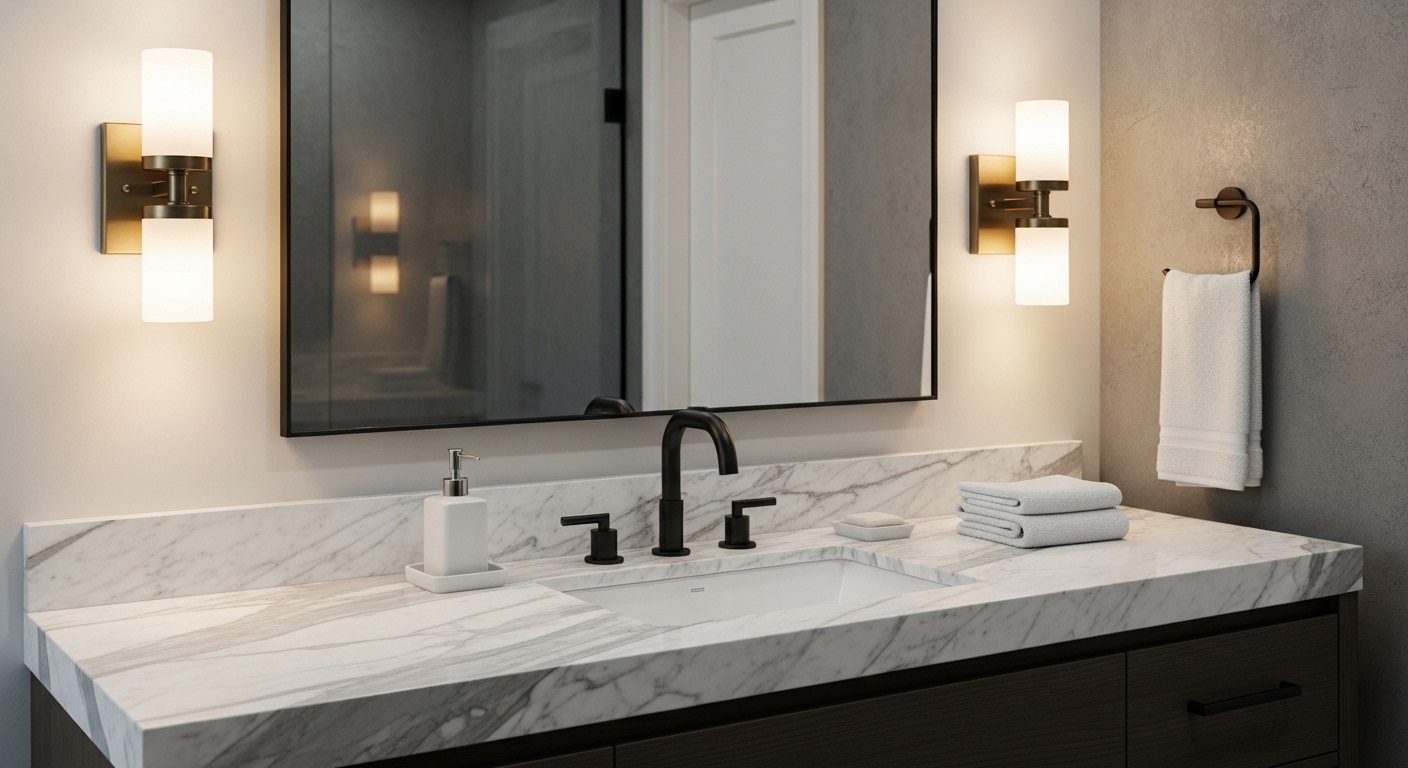
Most thrift stores also get BO-HA and similar brand donations — worth checking their home section for wire-shaded sconces and pendants that people donate after apartment moves.